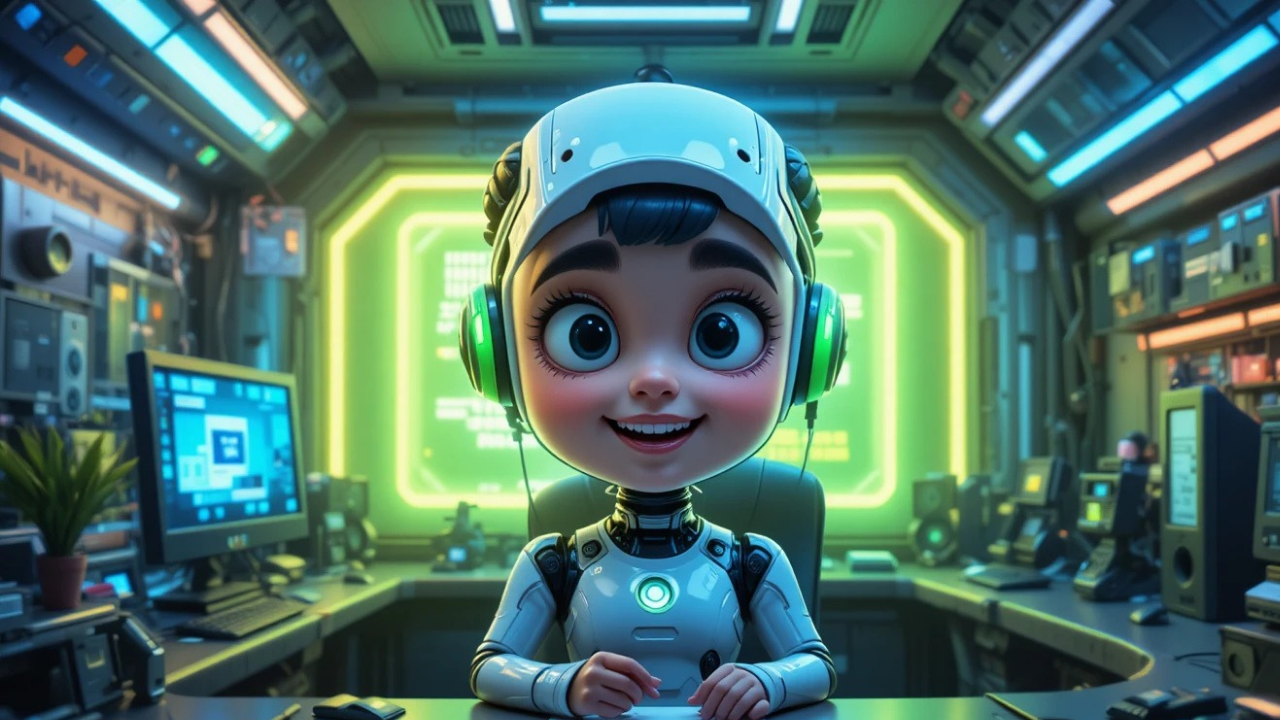
At 1:17 AM, your room is dark except for the pale blue glow of your phone screen.
You’re half-awake, doomscrolling through TikTok when another impossible-looking AI portrait appears on your feed. Someone transformed themselves into a hyper-cinematic Pixar character with emotional eyes and movie-quality lighting. Another person looks like they belong in a GTA loading screen standing outside a neon nightclub at midnight. Someone else became an anime antihero staring into rain-soaked city lights.
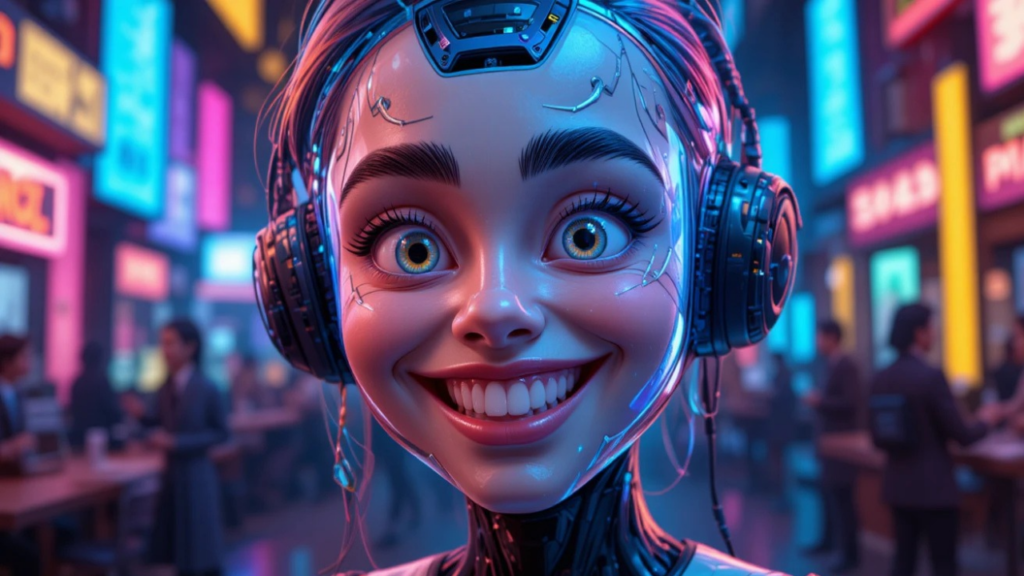
You pause for a second and think:
“There’s no way these actually look this good.”
So you open ChatGPT from OpenAI, upload a random selfie, type a quick prompt, and wait. Thirty seconds later, you stop scrolling completely. Because the weird part isn’t that the image looks like a cartoon. The weird part is that it somehow feels more like you than many real photos ever have.
Not literally you.
But the version of yourself that exists internally:
- more cinematic
- more expressive
- more confident
- more emotionally alive
That emotional reaction is exactly why the “ChatGPT caricature” trend exploded across the internet in 2026.
What started as people casually testing AI selfie generators quietly evolved into one of the biggest digital identity trends online.
And honestly?
We’re still only at the beginning.
What Is a ChatGPT Caricature?
A ChatGPT caricature is an AI-generated stylized portrait that exaggerates your appearance while keeping your identity recognizable.
Traditional caricatures usually focused on humor:
- oversized noses
- exaggerated smiles
- stretched facial features
AI caricatures evolved far beyond that. Modern AI doesn’t just exaggerate your face. It exaggerates your entire vibe.
The system studies:
- facial structure
- symmetry
- lighting
- expression
- mood
- posture
- camera angle
- visual energy
Then it rebuilds you into an alternate-universe version of yourself.
One selfie can instantly become:
- a Pixar protagonist
- a cyberpunk mercenary
- an anime hero
- a comic-book villain
- a GTA nightclub owner
- a futuristic movie character
That flexibility is exactly why the trend exploded so fast.
Why ChatGPT Caricatures Went Viral So Quickly
The technology matters. But psychology matters more. People didn’t become obsessed with AI caricatures simply because they looked artistic.
They became obsessed because the images felt emotionally personal.
For many users, AI caricatures looked less like edited photos…
and more like visualized personality.
Social Media Was Already Moving Toward AI Identity
By 2026, traditional selfies were losing impact online.
Every platform already had:
- beauty filters
- portrait enhancement
- AI smoothing
- aesthetic editing apps
But AI caricatures felt different. Instead of making people look “perfect,” they made people look interesting. Suddenly entire TikTok feeds looked like animated movie casting pages.
People replaced normal profile photos with:
- Pixar avatars
- anime personas
- cinematic AI portraits
- GTA-style characters
Creators quickly realized these images generated more attention because they instantly communicate personality.
And on modern social media, personality wins attention.
AI Caricatures Trigger Identity Exploration
This is the part most people underestimate.
AI caricatures are addictive because they let people explore alternate versions of themselves.
You don’t generate just one image.
You keep asking:
- “What would I look like in a cyberpunk world?”
- “What if I looked like a Rockstar Games protagonist?”
- “What if Pixar designed me?”
- “What if I became an anime villain?”
Hours disappear surprisingly fast. The AI stops feeling like a photo editor. It starts feeling like an identity simulator. That emotional loop is a massive reason the trend spread globally.
I Tested 17 Different ChatGPT Caricature Prompts — Here’s What Actually Happened
After testing dozens of prompts across:
- Pixar style
- GTA style
- anime style
- comic-book style
- cyberpunk portraits
…some patterns became obvious very quickly.
And honestly?
The results were wildly inconsistent at first. Some portraits looked incredible. Others looked like cursed wax statues generated during a power outage.
Here’s what I discovered.
The Biggest Mistake Most People Make
Most users type prompts like:
“Make me cartoon style.”
That’s too vague.
AI image generation performs dramatically better when prompts include:
- emotional tone
- lighting style
- camera composition
- rendering quality
- exaggeration control
The more cinematic direction you provide, the better the results usually become.
What Actually Improved My Results
1. Lighting Changed Everything
The AI performed MUCH better with:
- window lighting
- golden hour selfies
- dramatic shadows
- neon reflections
- cinematic contrast
Flat lighting produced flat caricatures. One of my best outputs came from a slightly blurry night photo with neon signs behind me. The AI transformed it into something that looked straight out of a futuristic movie poster.
2. Expressions Matter More Than Beauty
Perfect selfies weren’t always the best.
Interestingly, the strongest caricatures came from photos with:
- confident smirks
- raised eyebrows
- side glances
- emotional expressions
AI responds heavily to emotional energy. A technically “bad” photo with personality often outperformed polished Instagram selfies.
3. Backgrounds Secretly Influence Character Design
This surprised me most.
The AI absorbs environmental storytelling from the image.
Examples:
- city lights → cyberpunk energy
- coffee shops → indie-film aesthetic
- dark rooms → noir atmosphere
- sunsets → cinematic warmth
The background subtly changes how the AI interprets your “character.”
How ChatGPT Caricature AI Actually Works
Modern AI models like GPT-4o don’t simply detect faces.
They analyze:
- proportions
- geometry
- emotion
- visual archetypes
- color psychology
- composition
- facial emphasis
- cinematic cues
The AI identifies the “character energy” inside an image.
That’s why:
- low-angle photos feel dominant
- close-ups feel emotional
- side profiles feel cinematic
The system isn’t merely editing pixels. It’s interpreting visual storytelling. And the best caricatures feel almost unsettlingly personal because of it.
Most Popular ChatGPT Caricature Styles in 2026
Pixar Style — The Internet’s Favorite
This became the gateway style for millions of users.
Why?
Because Pixar aesthetics amplify emotion beautifully.
Features include:
- expressive eyes
- warm lighting
- soft textures
- emotional realism
- cinematic rendering
Even ordinary selfies suddenly look emotionally significant.
That’s why Pixar-style portraits exploded across:
- couple pages
- family reels
- profile pictures
People don’t just look animated.
They look lovable.
GTA Loading Screen Style — “Main Character Energy”
This style became massively popular among gaming creators and streamers.
Characteristics include:
- dramatic shadows
- neon lighting
- Rockstar-inspired framing
- gritty realism
- luxury aesthetics
An average parking-lot selfie suddenly feels like:
“A criminal empire origin story.”
The style works because it transforms ordinary life into cinematic fiction.
Anime Style — Emotional Amplification
Anime caricatures exploded because they exaggerate emotion incredibly well.
Common features:
- oversized emotional eyes
- dramatic lighting
- atmospheric rain
- vibrant colors
- dynamic hair movement
Many users intentionally generated:
- redemption-arc portraits
- villain transformations
- melancholy scenes
- action-hero aesthetics
The AI wasn’t just creating portraits anymore.
It was generating emotional narratives.
Comic Book Style — Superhero Fantasy
Comic-style portraits leaned heavily into power fantasy.
Users suddenly looked:
- sharper
- stronger
- more intimidating
- more heroic
This style performs especially well for:
- YouTube thumbnails
- gaming channels
- creator branding
- profile pictures
Because bold visual identity grabs attention instantly.
Best ChatGPT Caricature Prompts (That Actually Work)
Pixar Prompt
“Turn this selfie into a cinematic Pixar-style character portrait with emotional eyes, soft lighting, warm atmosphere, stylized realism, ultra-detailed 3D rendering, masterpiece quality.”
Why it works:
Combining “cinematic,” “3D rendering,” and “stylized realism” helps the AI preserve facial identity while exaggerating emotion.
GTA Style Prompt
“Create a GTA 6 loading-screen style portrait with neon city lighting, dramatic shadows, Rockstar Games aesthetic, cinematic composition, luxury streetwear, ultra-detailed realism.”
Why it works:
“Loading-screen style” gives the AI stronger cinematic framing direction than simply saying “GTA style.”
Anime Prompt
“Anime-inspired cinematic portrait with expressive eyes, emotional intensity, atmospheric neon rain, dynamic hair movement, ultra-detailed modern anime aesthetic.”
Why it works:
Emotion-focused prompts dramatically improve anime outputs.
Cyberpunk Prompt
“Cyberpunk-style cinematic portrait with futuristic neon reflections, rainy-night atmosphere, Blade Runner-inspired mood, ultra-detailed textures, glowing city lights.”
Why it works:
Environmental prompts improve immersion and atmosphere significantly.
How to Create a ChatGPT Caricature Step-by-Step
This is the workflow that consistently gave the best results.
Step 1 — Choose the Right Selfie
Best photos usually have:
- strong lighting
- visible eyes
- clean facial detail
- emotional expression
Avoid:
- blurry dark images
- extreme filters
- heavily compressed screenshots
Step 2 — Upload the Image to ChatGPT
Upload:
- one clear selfie
or - 2–3 angles for better consistency
Multiple angles help reduce:
- facial distortion
- hairstyle inconsistency
- asymmetry issues
Step 3 — Pick One Strong Style
Don’t overload prompts with 10 styles simultaneously.
Choose:
- Pixar
- GTA
- anime
- cyberpunk
- comic-book
One clear aesthetic usually works better.
Step 4 — Add Cinematic Keywords
Keywords that consistently improved outputs:
- cinematic lighting
- ultra detailed
- stylized realism
- 3D render
- masterpiece
- dramatic shadows
- atmospheric lighting
These heavily improve visual quality.
Step 5 — Control the Exaggeration
If the AI becomes too chaotic, add:
- “maintain facial accuracy”
- “tasteful exaggeration”
- “natural anatomy”
This helps avoid:
- distorted eyes
- oversized heads
- uncanny results
Common AI Caricature Problems (And How to Fix Them)
Weird Hands
Still surprisingly common.
Fix:
“Anatomically correct hands”
Uncanny Facial Expressions
Sometimes the AI over-enhances smiles or eyes.
Fix:
“Natural facial proportions”
Hair Inconsistency
The AI occasionally changes hairstyle dramatically between generations.
Fix:
“Maintain hairstyle from reference image”
Over-Exaggeration
Sometimes caricatures become too distorted.
Fix:
“Subtle cinematic caricature style”
Small prompt changes can massively improve results.
ChatGPT Caricature vs Traditional Caricature Artists
AI wins in:
- speed
- experimentation
- affordability
- endless style variations
Human artists still dominate:
- emotional storytelling
- intentional symbolism
- artistic nuance
- deeply personalized compositions
The future likely isn’t AI replacing artists.
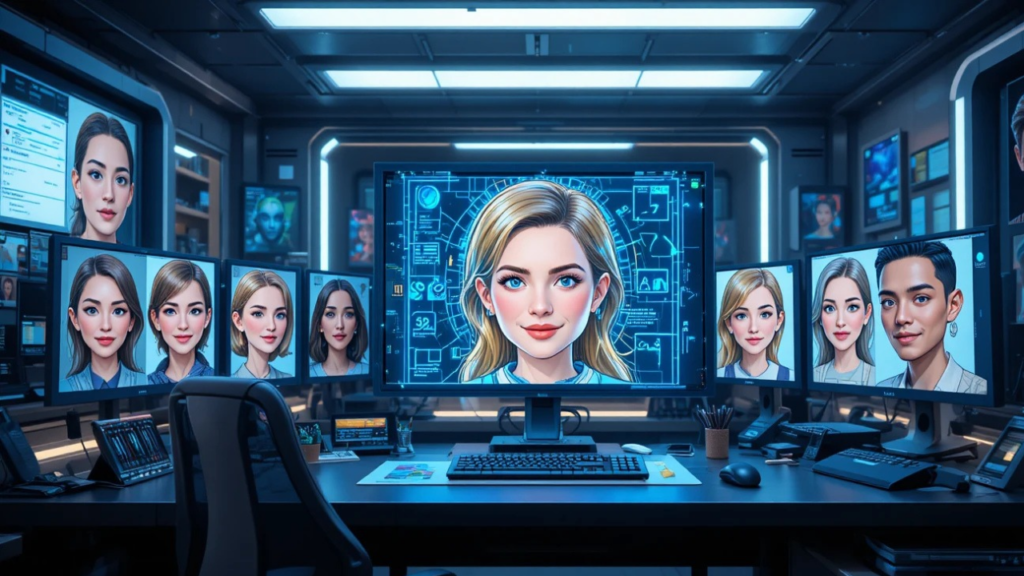
It’s collaboration.
Many creators already use AI caricatures as:
- concept art
- visual inspiration
- branding foundations
before refining them manually.
The Future of AI Caricatures
This trend is much bigger than profile pictures. We’re watching the early stages of AI-generated identity systems emerge.
In the near future, people may maintain:
- one persistent AI avatar
- one stylized digital identity
- one evolving online persona across platforms
Future systems will likely include:
- animated caricatures
- talking AI avatars
- real-time facial stylization
- AI-generated video identities
- virtual influencers
Your online identity may eventually become less photographic…
and more designed.
Not fake.
Curated.
Final Thoughts
Somewhere tonight, someone is uploading a random selfie “just for fun”…
And accidentally discovering the coolest version of themselves they’ve ever seen. That’s the strange power of the ChatGPT caricature trend. It isn’t just about cartoon filters anymore.
It’s about identity.
Imagination.
Self-expression.
For the first time, ordinary people can create the kind of cinematic character art that once required animation studios, game companies, or professional digital artists. And this is still the beginning. The AI portraits people create in 2026 will probably look primitive a few years from now.
But the feeling?
That moment when the image loads and you instantly think:
“Wait… that actually feels like me.”
That part is probably here to stay.
FAQ
What is a ChatGPT caricature?
A stylized AI-generated portrait that exaggerates your appearance while keeping your identity recognizable.
Can ChatGPT turn photos into cartoons?
Yes. Modern AI image generation can create Pixar, anime, GTA, comic-book, and cinematic portrait styles from selfies.
Are AI caricatures free?
Basic generations may be available for free, while advanced image features often require premium plans.
Which caricature style is most popular?
Pixar-style and GTA-style caricatures became the biggest AI portrait trends in 2026.
Why do AI caricatures feel so personal?
Because the AI often amplifies emotional expression and visual personality rather than simply copying facial features.
Can AI caricatures be used commercially?
Usually yes for original generations, but commercial use depends on platform licensing and usage rights.
Explore more:
Founder of Aivexify
Himanshu Deora is an AI tools researcher and digital publisher who tests AI software, automation tools, and emerging technology trends and AI content creator passionate about sharing helpful guides, AI tools, software tutorials, and the latest digital trends. Through Aivexify, he helps readers discover smart technology, productivity tools, and practical online resources in a simple and easy-to-understand way.