

Picking a niche used to mean weeks of guesswork — scrolling forums, digging through spreadsheets, and hoping a hunch about “eco-friendly pet products” or “budget home office gear” would actually pan out. That’s not how it works anymore.
AI tools for niche research have changed the game by pulling demand signals, competition data, and content gaps together in minutes instead of months. Whether you’re launching a blog, starting a dropshipping store, building a SaaS product, or just trying to pick a profitable corner of the internet to call your own, the right AI niche finder can save you from betting your time and money on a market that was never going to work.
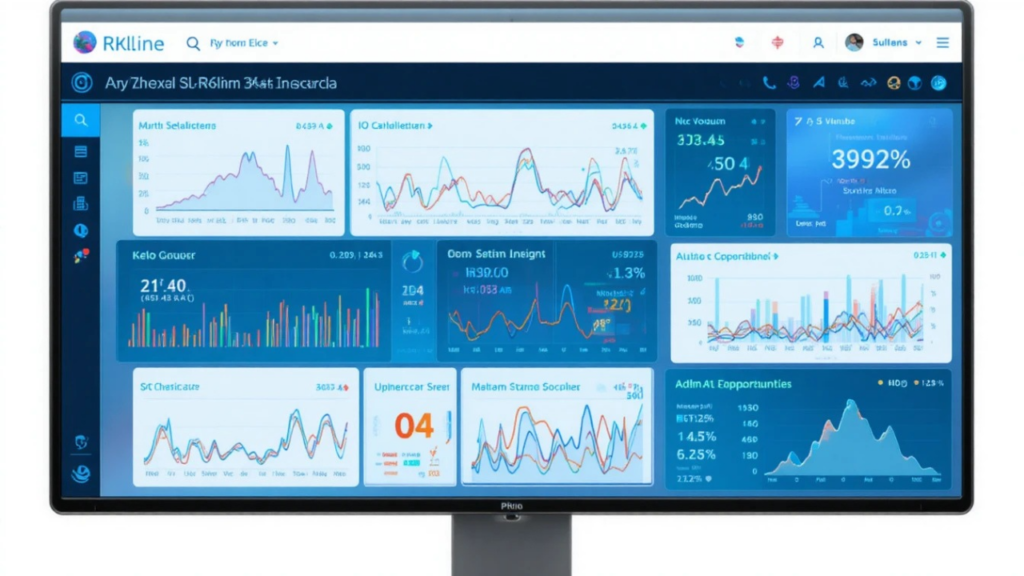
In this guide, you’ll learn what AI niche research tools actually do, which ones are worth using in 2026, how to combine them into a workflow that gets you real answers, and how to avoid the mistakes that trip up most beginners. By the end, you’ll have a clear, practical path to finding a niche that has both demand and room for you to compete.
What Are AI Tools for Niche Research?
AI tools for niche research are software platforms that use machine learning and natural language processing to analyze search trends, consumer behavior, competitor activity, and content gaps — then surface market opportunities a person would take far longer to find manually.
Instead of manually cross-referencing Google Trends, keyword volume, and social chatter, these tools do the heavy lifting: spotting rising search terms, estimating competition level, and even predicting which topics or products are gaining momentum before they go mainstream.
Most tools in this space fall into a few overlapping categories:
- AI niche discovery tools that scan trending topics and emerging search behavior
- AI keyword and niche research platforms that combine search volume with intent data
- AI-powered niche analysis tools that score competition and profitability
- AI market opportunity tools built for broader business and product research
Understanding which category a tool belongs to matters, because a tool built for YouTube niche discovery won’t necessarily help you validate a physical product idea, and a keyword tool won’t tell you much about audience psychographics.
Why AI Niche Research Beats the Old Manual Approach
Traditional niche research relied on manual keyword digging, competitor stalking, and a lot of intuition. It wasn’t wrong, exactly — it was just slow, and it was easy to miss signals buried in data you didn’t know to look for.
Here’s what shifts when you bring AI into the process:
Speed
What used to take a week of spreadsheet work can now happen in an afternoon. AI tools process thousands of data points — search queries, social posts, review text — almost instantly.
Pattern recognition at scale
AI is good at spotting patterns humans miss, like a slow but steady rise in searches for a sub-topic, or a cluster of complaints in product reviews that hints at an underserved need.
Reduced bias
It’s easy to fall in love with an idea and only look for evidence that supports it. Good AI tools for market research surface the uncomfortable data too — like a niche with high search interest but brutal competition.
Continuous monitoring
Some platforms track a niche over time, alerting you when interest is rising or falling, so your research doesn’t go stale the moment you finish it.
None of this replaces judgment. AI narrows the field and surfaces the signal; you still decide what’s worth pursuing based on your skills, budget, and interests.
Best AI Tools for Niche Research in 2026
Here’s a practical breakdown of the tools worth your time this year, grouped by what they’re actually best at.
1. AI Chat Assistants for Niche Brainstorming (ChatGPT, Claude, Gemini)
General-purpose AI assistants have become a genuinely useful first step in niche discovery. You can describe your skills, budget, and interests, and ask the assistant to suggest niches, map out sub-topics, or stress-test an idea by listing likely competitors and audience objections.
Best for: Early-stage brainstorming and narrowing a broad idea into something specific. Limitation: These tools reason well but don’t have live, verified market data baked in — so treat their suggestions as a starting point, not a final answer, and validate anything promising with a data-driven tool.
2. Google Trends — Still the Free Baseline
It’s not flashy, and it’s not new, but Google Trends remains one of the most reliable free ways to sanity-check a niche. It shows whether interest in a topic is rising, flat, or fading, and lets you compare regional demand — useful if you’re targeting a specific country or city.
Best for: A quick, free gut-check before investing in a paid tool.
3. Exploding Topics — Spotting Trends Before They Peak
Exploding Topics uses AI models to scan search data, forums, and news for topics on an upward trajectory, often before they show up on more mainstream trend reports. This makes it one of the better AI tools for finding profitable niches early, when competition is still low.
Best for: Founders and content creators who want a head start on emerging niches.
4. SEMrush and Ahrefs — Keyword-Backed Niche Validation
Both platforms have leaned heavily into AI-assisted features over the past couple of years, layering topic clustering and content-gap analysis on top of their existing keyword databases. They’re less about “discovering” a niche and more about validating one: how much search volume exists, how difficult it is to rank, and what content already dominates page one.
Best for: Anyone doing AI keyword and niche research for a content site, blog, or SEO-driven business.
5. SparkToro — Understanding Who Actually Cares
SparkToro flips the usual approach: instead of starting with keywords, it starts with an audience and shows you what they read, watch, and talk about online. This is especially useful for AI business niche research where understanding the person behind the search matters as much as the search itself.
Best for: Validating audience fit before you build a product or content calendar around a niche.
6. AnswerThePublic — Mapping Real Questions People Ask
AnswerThePublic visualizes the actual questions, comparisons, and phrases people type into search engines around a topic. It’s a fast way to see the shape of a niche’s content gaps — the specific angles nobody has covered well yet.
Best for: Content creators looking for underserved sub-topics inside a broader niche.
7. Niche-Specific AI Finders (for YouTube, Amazon, and E-commerce)
Beyond general-purpose tools, a growing set of platforms focus on one channel — spotting underperforming content categories on YouTube, tracking product demand shifts on Amazon, or surfacing trending product categories for dropshipping and e-commerce. These tools tend to combine AI predictions with real performance data, which is generally more reliable than trend prediction alone.
Best for: Creators or sellers who already know their platform and want AI-powered niche analysis specific to it.
How to Build an AI Niche Research Workflow
No single tool gives you the whole picture. Here’s a workflow that combines a few of the categories above into something reliable:
- Brainstorm broadly. Use an AI assistant to list 10–15 possible niches based on your interests, skills, and budget.
- Check the trend line. Run each idea through Google Trends or Exploding Topics to filter out anything flat or declining.
- Validate the keywords. Use SEMrush, Ahrefs, or a similar tool to check search volume and how competitive the top results actually are.
- Understand the audience. Use SparkToro or social listening to see who’s actually interested and where they hang out online.
- Map the content gaps. Use AnswerThePublic or a keyword clustering tool to find the specific questions and angles nobody has answered well.
- Sanity-check with a small test. Before fully committing, publish a small amount of content or run a small ad test to see if real people respond.
This kind of layered approach is far more reliable than trusting one tool’s “profitable niche” label at face value.
Common Mistakes to Avoid When Using AI Niche Research Tools
- Chasing trend spikes without checking longevity. A sudden spike in searches doesn’t always mean a lasting niche — some trends fade in weeks.
- Ignoring competition data. High search volume with ten well-funded competitors already ranking is a much harder niche than one with modest volume and weak competition.
- Treating AI suggestions as guarantees. These tools surface possibilities, not promises. Your execution, timing, and differentiation still matter more than any tool’s output.
- Skipping audience validation. A niche can have decent search volume and still fail commercially if the audience isn’t willing to spend money or engage.
- Relying on a single tool. Each tool has blind spots. Cross-checking two or three sources catches most of the false positives.
Frequently Asked Questions
What is the best AI tool for niche research?
There isn’t one single “best” tool — it depends on your goal. For trend spotting, Exploding Topics and Google Trends are strong starting points. For keyword-backed validation, SEMrush and Ahrefs are more thorough. For understanding your audience, SparkToro adds a layer most keyword tools miss.
Can AI really find a profitable niche for me?
AI can surface data-backed possibilities faster than manual research, but “profitable” depends on execution — pricing, marketing, and consistency still matter. Think of AI as narrowing your options, not making the decision for you.
Are free AI niche research tools good enough to start?
Yes, for early-stage exploration. Google Trends, free tiers of AI chat assistants, and AnswerThePublic’s free features can validate a rough idea before you spend money on a paid platform.
How long does AI-assisted niche research take?
A focused session — brainstorming, trend-checking, and keyword validation — can realistically be done in a few hours, compared to the days or weeks manual research used to take.
Do I still need to do manual research if I use AI tools?
A little, yes. AI is excellent at surfacing patterns and data, but talking to real potential customers, reading reviews, and testing demand with a small pilot still adds insight no tool fully replicates.

Final Thoughts
The tools have gotten good enough that there’s no real reason to pick a niche blind anymore. AIwon’t do the thinking for you, but they will hand you the data faster, cut out a lot of the guesswork, and point you toward markets that actually have room for a new player.
Start small: pick two or three tools from the list above, run one niche idea through the workflow, and see what the data tells you. If you want help narrowing your own niche shortlist or building out a full content or product plan around one, that’s a natural next step once the research is done.
Related article:
AI tools for backlink building in 2026

Founder of Aivexify
Himanshu Deora is an AI tools researcher and digital publisher who tests AI software, automation tools, and emerging technology trends and AI content creator passionate about sharing helpful guides, AI tools, software tutorials, and the latest digital trends. Through Aivexify, he helps readers discover smart technology, productivity tools, and practical online resources in a simple and easy-to-understand way.