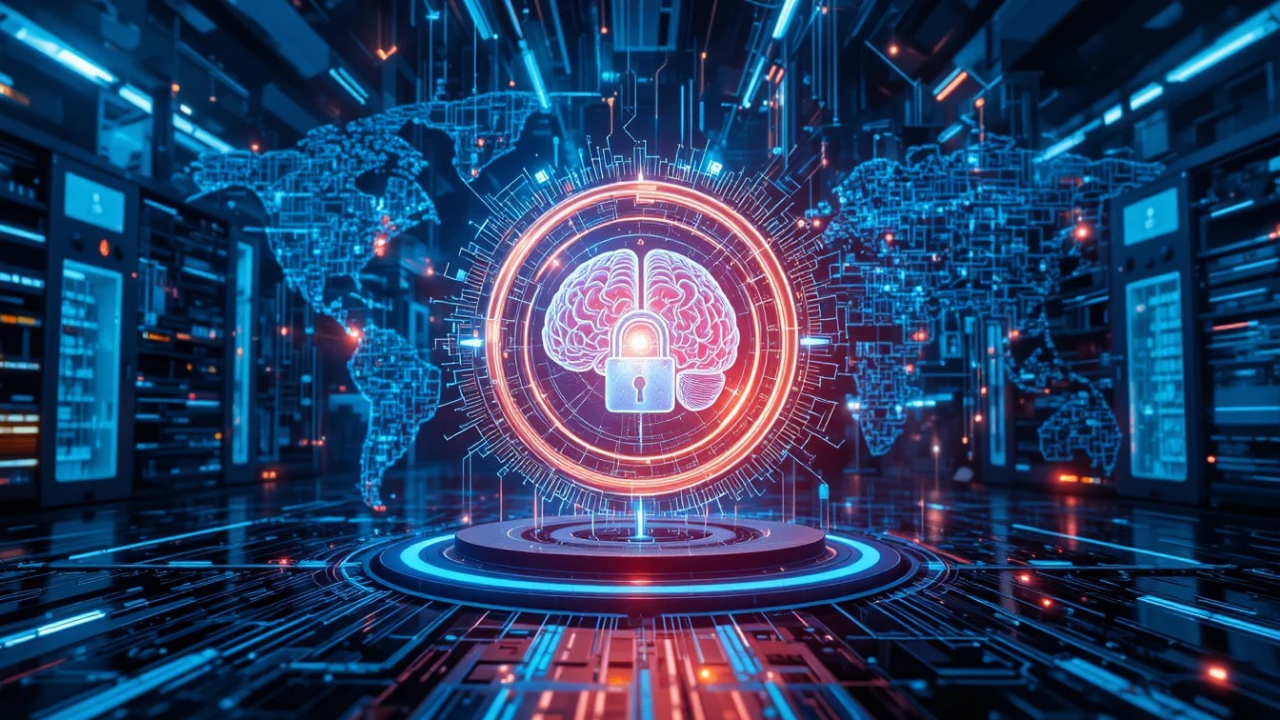
Cyberattacks are no longer rare events reserved for headline-grabbing breaches at major corporations. They happen constantly, quietly, and increasingly at machine speed. Every day, businesses across the US, UK, Canada, Australia, and other advanced digital economies face phishing attempts, ransomware, credential theft, and increasingly sophisticated attacks that traditional security tools struggle to keep up with. In response, a new generation of security technology has emerged: AI cybersecurity.
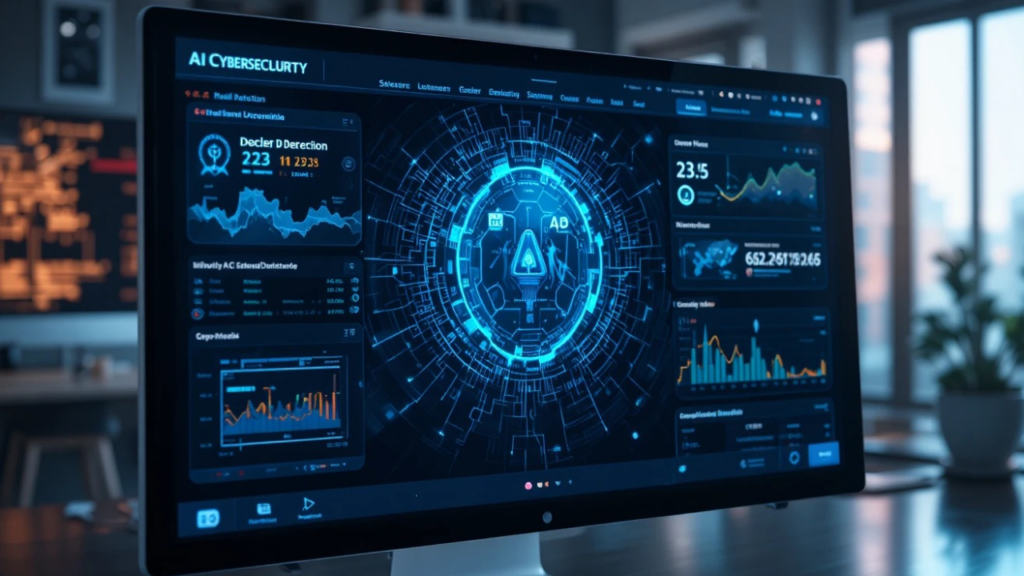
This isn’t a buzzword or a marketing gimmick. Artificial intelligence has become one of the most important tools available for detecting, preventing, and responding to cyber threats — precisely because the threats themselves have evolved to a scale and speed that human analysts alone can no longer match. In this article, we’ll break down what AI cybersecurity actually means, why it matters right now, the real benefits it offers, what to look for in a solution, and where this technology is headed.
What Is AI Cybersecurity?
AI cybersecurity refers to the use of machine learning, behavioral analytics, and automation to detect, prevent, and respond to digital threats. Rather than relying solely on static rules or known threat signatures — the way traditional antivirus software has worked for decades — AI-driven security systems learn what “normal” activity looks like across a network, device, or user account, and flag anything that deviates from that baseline.
Traditional cybersecurity tools are largely reactive. They compare incoming files or traffic against a database of known malware signatures. This works reasonably well against threats that have already been identified and cataloged, but it does little against brand-new, or “zero-day,” attacks that haven’t been seen before.
AI cybersecurity systems take a fundamentally different approach. They analyze patterns of behavior — how a user typically logs in, what times of day network traffic usually spikes, which files an employee normally accesses — and use that baseline to spot anomalies in real time. This allows them to catch threats that have never been seen before, simply because the behavior looks wrong, even if the specific attack method is unfamiliar.
In practice, this might look like:
- Detecting a login attempt from an unusual location at an unusual hour and automatically requiring additional verification
- Identifying a phishing email based on subtle language patterns and sender behavior, not just a blacklist
- Spotting ransomware in the early stages of encrypting files and halting the process before major damage occurs
- Automatically isolating a compromised device from the network to prevent lateral movement
- Prioritizing which of thousands of daily security alerts actually deserve human attention
Why This Matters Right Now
Attackers are using AI too. Perhaps the most pressing reason AI cybersecurity has become essential is that cybercriminals are using the same technology to launch more convincing and more scalable attacks. AI-generated phishing emails are harder to spot because they no longer contain the awkward grammar and formatting mistakes that used to be reliable red flags. Deepfake audio and video are being used in social engineering scams that impersonate executives to authorize fraudulent wire transfers. Defending against AI-powered threats increasingly requires AI-powered defense.
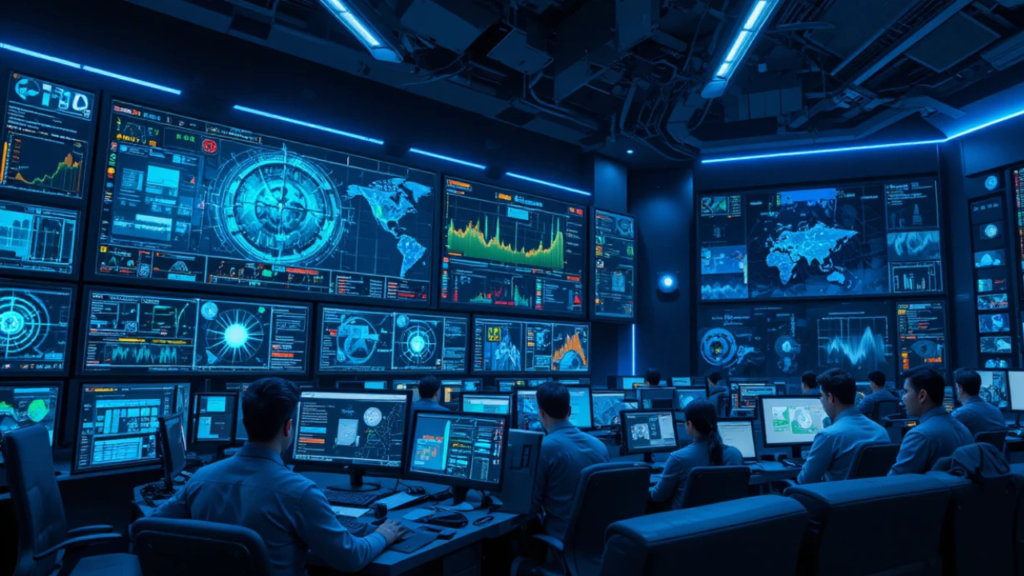
The volume of threats has outpaced human capacity. Security teams at even mid-sized organizations can face thousands of alerts per day. Human analysts simply cannot manually review that volume in real time, which means genuine threats can get buried in noise. AI systems help triage this flood, surfacing what actually matters and reducing the burden of alert fatigue.
The talent shortage in cybersecurity is severe. There’s a well-documented global shortage of skilled cybersecurity professionals. Many organizations, especially small and mid-sized businesses, simply can’t hire the in-house expertise needed to monitor threats around the clock. AI tools help close that gap by automating detection and response tasks that would otherwise require a large, expensive security team.
Remote work and cloud adoption have expanded the attack surface. With employees working from home, using personal devices, and accessing cloud-based tools, the traditional idea of a secure network perimeter has essentially disappeared. AI-driven security is better suited to this distributed environment because it can monitor behavior across many endpoints and locations simultaneously.
Regulatory and compliance pressure is increasing. Data protection laws such as GDPR in the UK and EU, along with various state-level regulations in the US and national frameworks in Australia and Canada, place real financial and legal consequences on companies that fail to protect customer data. AI-driven monitoring helps organizations detect and respond to breaches faster, which can significantly reduce both damage and regulatory exposure.
The Real Benefits of AI Cybersecurity
1. Faster Threat Detection
Speed matters enormously in cybersecurity. The longer an attacker remains undetected inside a network, the more damage they can do. AI systems can identify suspicious activity in seconds or minutes rather than the hours or days it might take a human team working through logs manually. This dramatically shortens what security professionals call “dwell time” — the period between initial compromise and detection.
2. Detection of Unknown and Emerging Threats
Because AI systems focus on behavior rather than known signatures, they’re capable of catching novel attacks that haven’t been documented anywhere yet. This is particularly valuable against zero-day exploits and custom malware designed specifically to evade traditional detection.
3. Reduced Alert Fatigue
One of the quieter but more significant benefits is how AI helps security teams manage the sheer volume of alerts generated by modern IT environments. By intelligently prioritizing which alerts represent genuine risk, AI systems free up human analysts to focus their attention where it’s actually needed, rather than sifting through false positives all day.
4. Automated Response
Many AI cybersecurity platforms don’t just detect threats — they can act on them automatically. This might mean isolating an infected device from the network, blocking a suspicious IP address, or disabling a compromised user account within seconds of detection, all without waiting for a human to manually intervene.
5. Improved Phishing and Social Engineering Defense
Phishing remains one of the most common entry points for cyberattacks, and AI-driven email security tools are increasingly effective at catching sophisticated attempts by analyzing writing style, sender reputation, and subtle behavioral cues that indicate impersonation.
6. Continuous, Around-the-Clock Monitoring
Unlike human teams, AI systems don’t need breaks, shifts, or sleep. They provide continuous monitoring across networks and endpoints, which is particularly valuable for organizations that can’t afford a 24/7 security operations center staffed entirely by people.
7. Better Risk Prioritization
Not every vulnerability or alert carries the same level of risk. AI tools can help security teams understand which issues pose the greatest actual threat to the business, allowing limited resources to be directed toward the problems that matter most.
Common Features to Look For
If you’re evaluating AI cybersecurity solutions for your organization, here are some capabilities worth prioritizing:
Behavioral analytics. The system should build a baseline of normal activity for users, devices, and network traffic, and flag meaningful deviations from that baseline.
Endpoint detection and response (EDR). Look for tools that monitor individual devices — laptops, servers, mobile devices — for suspicious activity and can isolate them automatically if compromised.
Email and phishing protection. Given how common phishing remains as an attack vector, strong AI-driven email filtering is essential, ideally one that can detect subtle impersonation attempts, not just obvious spam.
Automated incident response. Confirm whether the platform can take direct action against threats (blocking, isolating, disabling accounts) or whether it only alerts your team, requiring manual follow-up.
Threat intelligence integration. The best systems combine internal behavioral analysis with external threat intelligence feeds, staying updated on emerging attack patterns being used against organizations worldwide.
Cloud and hybrid environment support. With so many businesses now operating across on-premises systems and multiple cloud platforms, make sure the solution can monitor and protect across your entire environment, not just part of it.
Clear, actionable reporting. Security tools generate a lot of technical data. Look for platforms that translate findings into clear, prioritized insights that non-technical stakeholders can also understand.
Scalability. As your organization grows, your security tool should be able to handle increased users, devices, and data volume without a significant drop in performance.
Who Benefits Most From AI Cybersecurity?
Small and mid-sized businesses often benefit the most proportionally, since they typically lack the budget for a large in-house security team but face many of the same threats as larger enterprises. AI tools essentially provide a force multiplier, giving smaller organizations a level of protection that would otherwise require significant headcount.
Highly regulated industries — financial services, healthcare, and legal — benefit from AI’s ability to continuously monitor sensitive data and demonstrate compliance with strict data protection requirements.
Remote-first and hybrid organizations benefit from AI’s ability to monitor a distributed workforce across many devices and locations, rather than relying on a traditional, centralized network perimeter that no longer reflects how most companies actually operate.
Enterprise security teams benefit from the reduction in alert fatigue and the ability to automate first-line responses, freeing up skilled analysts to focus on complex investigations and strategic security planning rather than repetitive triage work.
It’s important to note that AI cybersecurity tools are not meant to fully replace human security professionals. Rather, they act as a force multiplier — handling the repetitive, high-volume detection work at a scale humans can’t match, while people focus on strategy, complex investigations, and decisions that require judgment and context AI doesn’t have.
Things to Consider Before Adopting AI Cybersecurity
False positives still happen. While AI significantly reduces noise compared to older systems, it isn’t perfect. Expect a tuning period where the system learns your specific environment and improves its accuracy over time.
Integration with existing infrastructure. Confirm the platform works well with your current systems, including your cloud providers, existing security tools, and IT management software, to avoid gaps in coverage.
Data privacy considerations. Because these systems analyze significant amounts of behavioral and network data, it’s important to understand how that data is stored, processed, and protected, particularly given data protection regulations in your region.
Team training and change management. Even highly automated systems require a security team that understands how to interpret AI-generated insights and respond appropriately when human judgment is needed.
Cost versus organizational risk. Pricing varies significantly depending on the size of your organization and the scope of coverage needed. Weigh the investment against the potential cost of a breach, which often far exceeds the price of prevention.
The Road Ahead
AI cybersecurity continues to evolve rapidly, and a few developments are worth watching closely:
AI versus AI. As attackers increasingly use AI to craft more convincing phishing campaigns and automate attacks, defensive AI systems will need to keep pace, creating an ongoing arms race between offensive and defensive artificial intelligence.
Deepfake detection. With deepfake audio and video increasingly used in social engineering attacks, expect security tools to build in dedicated detection capabilities for synthetic media.
Predictive security. Rather than simply responding to threats as they happen, future systems are expected to move further toward predicting where vulnerabilities are likely to be exploited before an attack even occurs.
Greater autonomy in response. As trust in AI decision-making grows, expect systems to take on more independent action during active incidents, reducing the critical time window attackers currently exploit while humans investigate and respond manually.
Final Thoughts
Cybersecurity has always been a matter of staying one step ahead of people actively trying to cause harm, and that challenge has only intensified as attackers gain access to increasingly powerful tools of their own. AI cybersecurity isn’t a silver bullet, but it represents one of the most effective responses available today — offering faster detection, smarter prioritization, and the ability to act at a scale and speed that human teams alone simply cannot match.
Whether you’re running a small business without a dedicated IT security team, or leading security operations for a larger organization drowning in daily alerts, there’s a strong case for exploring how AI-driven tools can strengthen your defenses. The organizations that invest in this technology now are positioning themselves to detect threats earlier, respond faster, and reduce the very real financial and reputational damage that a serious breach can cause.
In a threat landscape that never sleeps, AI cybersecurity offers something increasingly rare: a defense that doesn’t either.
Ai Accounting Software

Founder of Aivexify
Himanshu Deora is an AI tools researcher and digital publisher who tests AI software, automation tools, and emerging technology trends and AI content creator passionate about sharing helpful guides, AI tools, software tutorials, and the latest digital trends. Through Aivexify, he helps readers discover smart technology, productivity tools, and practical online resources in a simple and easy-to-understand way.