
Google’s algorithm updates hit harder and faster than ever. AI Overviews now dominate search results, content competition is fiercer across every niche, and organic traffic feels like it’s slipping away for many sites. Manual keyword stuffing, basic on-page tweaks, and hours spent analyzing SERPs simply take too long in 2026.
Ranking on Google today isn’t just about keywords anymore. AI Tools for On-Page SEO now analyze search intent, optimize structure, improve topical authority, and help your content outperform competitors faster than ever. These tools combine NLP, real-time SERP data, and automation to make optimization smarter and scalable.
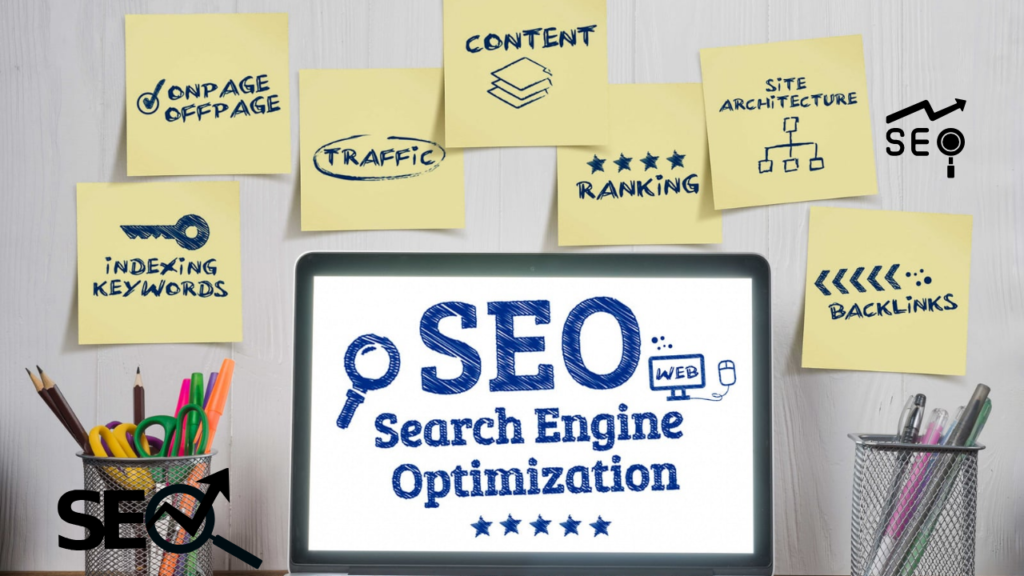
In this guide, you’ll find 26 of the best AI tools for on-page SEO, practical comparisons, use cases, and expert strategies to rank higher while staying aligned with Google’s emphasis on helpful, people-first content.
What Is On-Page SEO?
On-page SEO involves optimizing elements on your webpage to improve visibility and relevance in search engines. Key components include:
- Content optimization: Creating high-quality, relevant, and comprehensive material that matches user intent.
- Title tags and meta descriptions: Crafting compelling, keyword-rich elements that improve CTR.
- Headings (H1-H6): Structuring content for readability and topical hierarchy.
- Keyword placement: Using primary and semantic keywords naturally.
- Internal linking: Connecting related pages to distribute authority and improve navigation.
- User experience (UX): Fast load times, mobile-friendliness, and intuitive design.
- Semantic SEO: Incorporating related terms, entities, and concepts for better topical authority.
SEO Tip: Strong on-page SEO helps Google understand your content’s topical relevance, increasing chances of ranking in traditional results and AI Overviews.
How AI Is Transforming On-Page SEO
AI shifts on-page SEO from guesswork to data-driven precision.
AI Content Optimization
AI tools analyze top-ranking pages and suggest ideal word counts, heading structures, keyword density, and more in real time.
Search Intent Analysis
Modern AI goes beyond keywords to understand why users search, delivering content that satisfies informational, navigational, transactional, or commercial intent.
NLP Keyword Research
Natural Language Processing identifies semantic terms, entities, and clusters that build topical authority and perform well in semantic search.
Internal Linking Automation
AI suggests and sometimes auto-implements relevant internal links at scale.
AI Content Scoring
Tools assign scores based on competitiveness, completeness, and optimization potential.
SERP Analysis
Instant insights into what’s ranking, including featured snippets and AI Overview opportunities. This builds EEAT (Experience, Expertise, Authoritativeness, Trustworthiness) by grounding content in real data.
Why SEO Professionals Are Using AI Tools
SEO teams face writer’s block, sudden ranking drops, keyword cannibalization, and slow manual optimization. AI addresses these with:
- Faster workflows: Real-time suggestions cut optimization time dramatically.
- Scaling content: Produce and optimize more pieces without quality loss.
- Competitor analysis: Benchmark against top performers instantly.
- Automation: Handle repetitive tasks like linking or meta updates.
- Measurable ranking improvements: Data-backed changes often yield quicker results.
Professionals who combine AI speed with human oversight see the best outcomes.
26 Best AI Tools for On-Page SEO in 2026
Surfer SEO
Best for: AI-powered content optimization and SERP analysis.
Key Features:
- Real-time Content Editor with scoring.
- SERP Analyzer and keyword suggestions.
- AI writer, auto-optimize, and internal linking tools.
- AI visibility tracking for Overviews.
Pros:
- Highly accurate, data-driven recommendations.
- Supports multiple languages.
- Strong for teams and scale.
Cons:
- Can feel overwhelming for absolute beginners.
- Pricing adds up with add-ons.
Pricing: Starts around $99/month (Essential plan); higher tiers for more credits.
Why SEOs Love It: It turns SERP data into actionable optimization scores.
Best Use Case: Optimizing existing or new blog posts to compete with top-ranking pages.
Clearscope
Best for: Content optimization and grading.
Key Features:
- Content grading and keyword recommendations.
- Google Docs/WordPress integration.
- Focus on semantic relevance.
Pros:
- User-friendly, writer-focused interface.
- Excellent for maintaining quality at scale.
Cons:
- Higher price point; limited advanced automation.
Pricing: Premium plans (details vary; often report-based or subscription).
Why SEOs Love It: Delivers clear, actionable insights without complexity.
Best Use Case: Teams prioritizing content quality and readability.
Frase
Best for: Content briefs and optimization.
Key Features:
- AI Agent for research and writing.
- SERP analysis and optimization.
- AI visibility tracking.
Pros:
- Affordable entry points.
- All-in-one workflow.
Cons:
- Some features require add-ons.
Pricing: Starts ~$45–$49/month.
Why SEOs Love It: Streamlines from research to publish.
Best Use Case: Creating optimized content briefs quickly.
Jasper
Best for: AI writing with SEO integration.
Key Features:
- Long-form AI assistant.
- SEO mode and templates.
- Brand voice customization.
Pros:
- Creative and fast generation.
- Good for first drafts.
Cons:
- Needs heavy human editing for SEO precision.
Pricing: Subscription-based (mid-tier marketing tools).
Why SEOs Love It: Speeds up content creation.
Best Use Case: Initial drafting combined with dedicated optimizers.
MarketMuse
Best for: Topic modeling and content strategy.
Key Features:
- Inventory analysis and brief generation.
- Content scoring and optimization.
Pros:
- Strong for planning and gaps.
- Enterprise-ready.
Cons:
- Steeper learning curve and cost.
Pricing: Starts ~$99/month for Optimize plan.
Why SEOs Love It: Builds comprehensive topical authority.
Best Use Case: Large sites building content clusters.
Semrush SEO Writing Assistant
Best for: All-in-one SEO platform with integrated AI content optimization.
Key Features:
- Real-time content recommendations and optimization scores.
- SEO Content Template and Writing Assistant in Google Docs/WordPress.
- Plagiarism checks, readability analysis, and keyword suggestions.
- Deep integration with full Semrush suite (keyword research, audits, etc.).
Pros:
- Extremely comprehensive — one tool for research, writing, and tracking.
- Strong data backing from massive Semrush database.
- Excellent for teams already using Semrush.
Cons:
- Full power requires higher-tier plans (Guru/Business).
- Can feel overwhelming for pure writers.
Pricing: Included in Guru ($249/mo) and higher plans; limited in Pro.
Why SEOs Love It: Combines powerful AI writing help with authoritative SEO data.
Best Use Case: Agencies and mid-to-large sites that need content optimization within a full SEO workflow.
NeuronWriter
Best for: Affordable NLP-focused content optimization and writing.
Key Features:
- Semantic SEO analysis and content scoring.
- AI content generation with strong keyword and entity suggestions.
- Competitor analysis and content briefs.
- Plagiarism checker and Google Docs export.
Pros:
- Excellent value for money.
- User-friendly for solo users and small teams.
- Strong focus on topical relevance and NLP.
Cons:
- Less polished interface than premium competitors.
- Fewer automation/enterprise features.
Pricing: Starts at ~$19–$23/month (Bronze plan); higher tiers up to ~$77–$93/month.
Why SEOs Love It: Delivers 80% of premium tool performance at a fraction of the cost.
Best Use Case: Bloggers, freelancers, and small businesses optimizing content on a budget.
Scalenut
Best for: All-in-one AI writing with keyword clustering.
Key Features:
- Keyword research and clustering.
- AI content planner and writer.
- On-page optimization and content scoring.
- Cruise Mode for full article generation.
Pros:
- Good for end-to-end content production.
- Helpful clustering for topical authority.
- Competitive pricing for features offered.
Cons:
- AI output sometimes needs significant editing.
- Less specialized in deep SERP analysis than dedicated optimizers.
Pricing: Mid-range subscription (typically $49–$149/month depending on credits/volume).
Why SEOs Love It: Streamlines keyword research through publishing in one platform.
Best Use Case: Content teams building topic clusters and scaling production.
Alli AI
Best for: Automated on-page SEO changes at scale.
Key Features:
- Bulk automated optimizations (titles, metas, content, schema).
- Live visual editor and JS-based deployment.
- Internal linking automation and A/B testing.
- Works across any CMS without developer help.
Pros:
- Massive time savings on large sites.
- True hands-off automation.
- Universal compatibility.
Cons:
- Expensive for small sites.
- Changes may revert if subscription ends (JS overlay).
- Requires careful oversight to avoid over-optimization.
Pricing: Starts ~$169–$249/month; scales to agency/enterprise levels.
Why SEOs Love It: Allows non-technical teams to optimize thousands of pages quickly.
Best Use Case: Large websites, e-commerce stores, and agencies managing multiple domains.
Outranking
Best for: AI content creation combined with optimization.
Key Features:
- SERP-based briefs and outlines.
- AI writer with on-page scoring.
- Content optimization editor.
- Competitor analysis.
Pros:
- Solid workflow from research to optimized draft.
- Good for SEO-focused writing teams.
Cons:
- Steeper learning curve.
- Not as dominant in any single category as specialized tools.
Pricing: Mid-tier (typically $79–$199/month range).
Why SEOs Love It: Bridges research, writing, and optimization effectively.
Best Use Case: Content marketers who want AI assistance throughout the full creation process.
ChatGPT (OpenAI)
Best for: Versatile ideation, drafting, and quick optimization.
Key Features:
- Custom GPTs for SEO tasks.
- Content outlining, rewriting, and semantic expansion.
- Prompt-based SERP analysis simulation.
- Multimodal capabilities (in newer versions).
Pros:
- Extremely flexible and accessible.
- Free tier available; Plus for advanced use.
- Great for brainstorming and editing.
Cons:
- No built-in real-time SERP data.
- Requires strong prompting skills and human oversight.
Pricing: Free / Plus (~$20/month) / Team & Enterprise.
Why SEOs Love It: Universal assistant that accelerates almost any SEO task.
Best Use Case: Daily ideation, outlines, and editing when paired with dedicated SEO tools.
Claude (Anthropic)
Best for: High-quality, thoughtful long-form content drafting.
Key Features:
- Excellent reasoning and structured output.
- Large context window for full articles.
- Strong at following complex instructions and maintaining tone.
Pros:
- Often produces more natural, less “AI-sounding” text.
- Great for in-depth, helpful content.
Cons:
- No native SEO/SERP integration.
- Usage limits on free tier.
Pricing: Free / Pro (~$20/month).
Why SEOs Love It: Superior writing quality for experience-driven content.
Best Use Case: Creating comprehensive guides and EEAT-focused articles.
Gemini (Google)
Best for: Integration with Google ecosystem and real-time knowledge.
Key Features:
- Direct access to Google Search data.
- Multimodal (text + image + video).
- Strong reasoning and fact-checking capabilities.
Pros:
- Up-to-date information.
- Seamless with Google products.
Cons:
- Variable performance on creative tasks.
- Occasional restrictions.
Pricing: Free / Advanced plans.
Why SEOs Love It: Helps align content with current search trends.
Best Use Case: Research and optimization within Google’s ecosystem.
Ahrefs AI Features
Best for: Research-backed optimization using Ahrefs data.
Key Features:
- AI content ideas and briefs.
- Keyword and content gap analysis.
- On-page SEO recommendations via Site Audit.
- AI writing helper tools.
Pros:
- Backed by one of the best link and keyword databases.
- Excellent for competitive analysis.
Cons:
- AI features are supplementary, not core.
- Full power requires Ahrefs subscription.
Pricing: Lite (~$99/mo) to Enterprise.
Why SEOs Love It: Combines world-class data with AI assistance.
Best Use Case: In-depth keyword and competitor research + optimization.
Rank Math Content AI
Best for: WordPress users wanting built-in AI SEO.
Key Features:
- AI content generation inside editor.
- Real-time SEO scoring and suggestions.
- Schema markup and readability tools.
- Focus keyword optimization.
Pros:
- Affordable and tightly integrated with WordPress.
- All-in-one for WP sites.
Cons:
- Less advanced than dedicated platforms for large-scale use.
- Limited to WP ecosystem.
Pricing: Pro plans start low (~$59/year per site or higher bundles).
Why SEOs Love It: Makes on-page SEO effortless directly in WordPress.
Best Use Case: Bloggers and small business WordPress sites.
Copy.ai
Best for: Marketing copy and fast content generation.
Key Features:
- Brand voice customization.
- SEO-optimized templates.
- Workflow automation.
Pros:
- Excellent for sales-oriented and short-form content.
- Fast generation.
Cons:
- Less focused on deep on-page SEO scoring.
Pricing: Subscription-based (mid-range).
Why SEOs Love It: Quick drafts for landing pages and supporting content.
Best Use Case: E-commerce and marketing teams.
WriterZen
Best for: Keyword research and content planning.
Key Features:
- Topic discovery and clustering.
- AI writer and optimizer.
- Plagiarism and uniqueness checks.
Pros:
- Strong research capabilities.
- Good for planning before writing.
Cons:
- Interface and AI quality vary.
Pricing: Affordable plans.
Why SEOs Love It: Helps find untapped keyword opportunities.
Best Use Case: Early-stage content strategy.
INK SEO
Best for: Readability + SEO scoring.
Key Features:
- Real-time SEO and readability analysis.
- AI suggestions for improvement.
- Content optimization editor.
Pros:
- Focuses on user-friendly, readable content.
- Simple interface.
Cons:
- Less emphasis on competitive SERP data.
Pricing: Subscription model.
Why SEOs Love It: Ensures content is both optimized and enjoyable to read.
Best Use Case: Content that prioritizes user experience.
PageOptimizer Pro
Best for: Technical on-page SEO analysis.
Key Features:
- Detailed page-level optimization scores.
- TF-IDF and semantic analysis.
- Competitor comparison.
Pros:
- Very precise technical recommendations.
- Lightweight and focused.
Cons:
- Less AI writing assistance.
- Steeper learning for beginners.
Pricing: One-time or subscription (affordable).
Why SEOs Love It: Delivers deep, actionable technical insights.
Best Use Case: Technical SEOs fine-tuning key landing pages.
SE Ranking AI Tools
Best for: Affordable all-in-one platform.
Key Features:
- AI content generation and optimization.
- Full SEO suite (rank tracking, audits, etc.).
- Keyword research and suggestions.
Pros:
- Cost-effective compared to bigger names.
- Complete toolkit.
Cons:
- AI features still maturing in some areas.
Pricing: Starts lower than Semrush/Ahrefs.
Why SEOs Love It: Great balance of features and price.
Best Use Case: Small to mid-sized teams on a budget.
ContentShake AI (by Semrush)
Best for: Semrush-powered content creation for beginners.
Key Features:
- AI article generation.
- Optimization recommendations.
- Performance tracking.
Pros:
- Easy to use.
- Leverages Semrush data.
Cons:
- More limited than full Semrush.
Pricing: Included in Semrush plans or standalone.
Why SEOs Love It: Low barrier to entry for quality content.
Best Use Case: Newer users or small blogs.
Dashword
Best for: Content briefs and optimization tracking.
Key Features:
- Automated briefs.
- Optimization scoring.
- Team collaboration.
Pros:
- Focused and straightforward.
- Good for content strategy.
Cons:
- Narrower feature set.
Pricing: Mid-range.
Why SEOs Love It: Simplifies the briefing process.
Best Use Case: Content teams producing consistent optimized articles.
Link Whisper
Best for: Internal linking automation.
Key Features:
- AI-suggested internal links.
- Orphan page detection.
- Easy link insertion in WordPress.
Pros:
- Huge time saver for linking.
- Improves site architecture.
Cons:
- WordPress-only.
- Narrow focus.
Pricing: One-time purchase or annual.
Why SEOs Love It: Effortlessly strengthens internal linking structure.
Best Use Case: Any WordPress site with growing content volume.
Grammarly
Best for: Clarity, tone, and basic optimization.
Key Features:
- Advanced writing suggestions.
- Tone detection and rewriting.
- Plagiarism checker (premium).
- SEO-friendly clarity improvements.
Pros:
- Widely used and reliable.
- Improves overall content quality.
Cons:
- Limited SEO-specific features.
Pricing: Free / Premium (~$12–$30/month).
Why SEOs Love It: Polishes AI drafts into professional content.
Best Use Case: Final editing stage for all content.
Originality.ai
Best for: AI detection, plagiarism, and content authenticity.
Key Features:
- AI content detection.
- Plagiarism checking.
- Readability and SEO analysis.
- Fact-checking tools.
Pros:
- Helps maintain originality and EEAT.
- Essential in the AI era.
Cons:
- Not a full optimization tool.
Pricing: Pay-per-use or subscription.
Why SEOs Love It: Ensures content passes quality and originality standards.
Best Use Case: Auditing AI-generated or outsourced content.
SEO.ai
Best for: Dedicated AI-driven SEO platform.
Key Features:
- Comprehensive AI SEO workflows.
- Content generation and optimization.
- Keyword and competitive tools.
Pros:
- Focused purely on SEO outcomes.
- Modern AI capabilities.
Cons:
- Newer player — less established track record.
Pricing: Varies; competitive subscription.
Why SEOs Love It: Purpose-built for AI-era SEO challenges.
Best Use Case: Teams wanting a specialized AI SEO solution.
SEO Tip: Comparison tables increase dwell time and help users find their ideal tool quickly.
Best AI SEO Tools by Use Case
Best for Beginners
Frase, Rank Math Content AI, Grammarly + ChatGPT.
Best for Agencies
Surfer SEO, Alli AI, MarketMuse, Semrush.
Best for Bloggers
NeuronWriter, Scalenut, Clearscope (budget-friendly options).
Best for Enterprise SEO
MarketMuse, Surfer Enterprise, Alli AI (scale automation).
Best Budget AI SEO Tools
ChatGPT/Claude/Gemini combos, SE Ranking, basic Frase.
Best AI Writing + SEO Combo
Jasper + Surfer, Copy.ai + Clearscope.
Features to Look for in AI SEO Tools
- NLP optimization and semantic analysis.
- Real-time SERP analysis.
- Topical authority mapping and keyword clustering.
- Content scoring.
- AI writing assistance with human oversight.
- Internal linking suggestions and schema support.
Benefits of AI Tools for On-Page SEO
- Faster optimization cycles.
- Improved rankings through data precision.
- Automation of repetitive tasks.
- Easier content scaling.
- Better search intent targeting.
- Semantic keyword discovery for broader relevance.
Limitations of AI SEO Tools
- AI hallucinations: Fact-check everything.
- Risk of over-optimization (unnatural text).
- Duplicate content if not edited.
- Potential loss of unique voice.
- Over-dependency can weaken EEAT.
Google rewards balanced, helpful content created with care.
AI SEO Tools vs Traditional SEO Methods
AI wins on speed, scalability, and data accuracy. Traditional methods offer deeper human insight but are slower and harder to scale. Hybrid approaches (AI + human expertise) deliver the best results in cost and effectiveness.
How to Use AI Tools Without Getting Penalized by Google
- Always apply human editing and add original insights/experience.
- Prioritize helpfulness and originality over pure optimization.
- Fact-check and avoid spam patterns.
- Focus on EEAT: Demonstrate real expertise.
Google does not penalize AI-assisted content outright it penalizes low-quality, unhelpful content.

Future of AI in SEO
Expect deeper integration with AI Overviews, Search Generative Experience (SGE), autonomous agents, predictive analytics, multimodal search (voice/image), and AI search assistants. Tools that optimize for citations in generative answers will dominate.
Expert Tips to Rank Faster with AI SEO Tools
- Combine AI drafts with human expertise.
- Optimize specifically for search intent.
- Regularly update old content with fresh AI analysis.
- Build topical clusters and strong internal linking.
- Track performance in both traditional SERPs and AI Overviews.
FAQs About AI SEO Tools
What is the best AI tool for on-page SEO? Surfer SEO and similar SERP-driven tools often top lists for precision.
Can AI improve Google rankings? Yes, when used to create better, more relevant content.
Does Google penalize AI content? No, if it’s helpful, original, and well-edited.
Which AI SEO tool is best for beginners? Frase or Rank Math for ease of use.
Is Surfer SEO worth it? Highly regarded for data-driven results in 2026.
Can ChatGPT do on-page SEO? It’s excellent for drafting and ideas but pair it with dedicated optimizers.
Conclusion
AI is changing SEO forever. Smarter, faster optimization wins in an era of AI Overviews and intense competition. The right AI tools help you scale high-quality content and rankings but human creativity, experience, and oversight still matter most.
Start testing 1–2 tools from this list today. Experiment, measure results, and refine your process. The sites that win in 2026 will be those that combine AI efficiency with authentic value.
Ready to rank higher faster? Pick a tool, optimize one page this week, and track the difference.
Ai Tools for TikTok Creators

Founder of Aivexify
Himanshu Deora is an AI tools researcher and digital publisher who tests AI software, automation tools, and emerging technology trends and AI content creator passionate about sharing helpful guides, AI tools, software tutorials, and the latest digital trends. Through Aivexify, he helps readers discover smart technology, productivity tools, and practical online resources in a simple and easy-to-understand way.