
You Come Back After Weeks… And the World Remembers
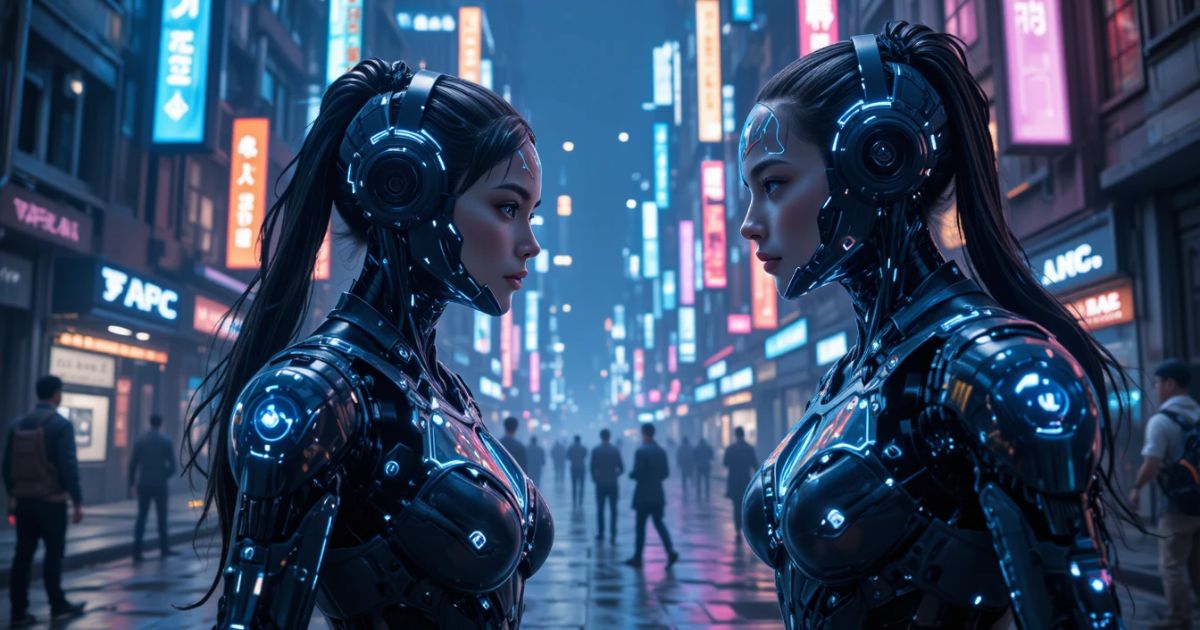
You log back into the AI NPC Games after three weeks away. The rain-slicked streets of the cyberpunk sprawl look unchanged at first—flickering neon signs, crowded market stalls, the distant hum of hover traffic. But then the shopkeeper at the corner stall locks eyes with you.
Not a generic greeting. Not a scripted “Welcome back, traveler.”
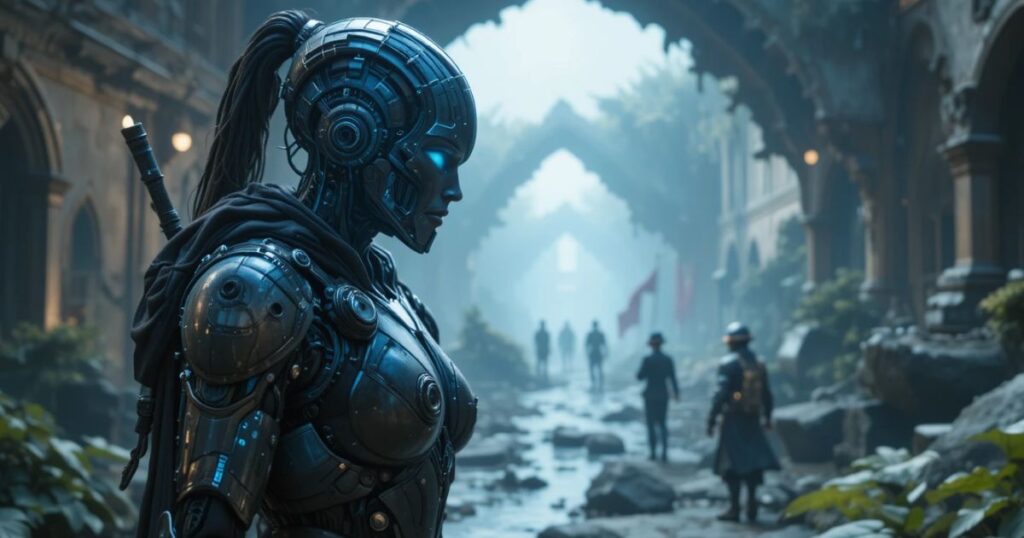
“You,” he says, voice low and edged with resentment. “I remember you. Last time you were here, you slipped that neural implant into your coat while my back was turned. Prices just went up 40% for you. And if you try anything stupid again, I’ll call the drones.”
Two guards across the street shift their stance. A woman you once helped carry supplies whispers to her friend as you pass. The world didn’t reset. It remembered.
This is no longer science fiction. In 2026, a new generation of AI NPCs is crossing a critical threshold: persistent memory. They don’t just react in the moment—they build relationships, hold grudges, form opinions, and evolve over time. The result is a gaming experience that feels startlingly alive.
What Are AI NPC games?
Traditional AI NPC games have been the quiet backbone of games for decades. They stand behind counters repeating the same five lines of dialogue, offer fetch quests that never change, and forget you the second you walk away. Their behavior is governed by rigid scripts and finite state machines—reliable, but fundamentally hollow.
AI NPCs operate on an entirely different foundation. Powered by large language models, vector databases for long-term memory, emotional simulation layers, and real-time procedural generation, these characters can:
- Recall specific past interactions, even from months earlier in real-world time
- Update their attitude toward the player based on reputation, kindness, betrayal, or generosity
- Generate contextually appropriate dialogue on the fly instead of pulling from a pre-written pool
- Influence and be influenced by broader world events
The difference is night and day. One feels like talking to a vending machine. The other feels like meeting a person who actually knows you.
Why Memory Changes Everything
Memory is the secret sauce. A shopkeeper who raises prices because you stole from him three weeks ago creates immediate emotional stakes. A companion who references a joke you made during a tense mission 40 hours earlier creates genuine connection. An enemy faction leader who respects you for sparing his lieutenant last month opens new diplomatic paths.
Players stop optimizing NPCs like resources and start relating to them. You hesitate before double-crossing someone because the consequences now feel personal. You find yourself roleplaying more deeply because the world rewards it. Immersion stops being a marketing buzzword and becomes an actual, measurable experience.
Games Leading the Charge in 2026
Several titles and engines are already showcasing what persistent AI NPCs can do:
- Open-world sandbox experiments are letting entire cities develop dynamic social webs. Steal too much in one district and merchants across the region become wary. Help a struggling family and you might find unexpected allies weeks later.
- AI companion systems have evolved far beyond simple followers. Modern companions remember your playstyle, reference past adventures, and even develop distinct personalities that shift based on how you treat them.
- Procedural narrative games are using generative AI to create side stories that feel handmade. A random encounter can blossom into a multi-week personal arc because the NPC remembers how the relationship began.
The most exciting part? Every playthrough is becoming meaningfully different. Your friend’s version of the city feels distinct from yours because the NPCs have reacted to their specific choices.
The Technology Making It Possible
Behind the magic sits a sophisticated stack:
- Large Language Models (LLMs) handle natural, branching conversation.
- Memory architectures (often vector embeddings + knowledge graphs) store thousands of interaction events without bogging down performance.
- Behavioral and emotional models simulate mood, trust, fear, and loyalty that evolve over time.
- Procedural storytelling engines weave individual NPC memories into larger world events.
When these systems work in harmony, the game world stops feeling like a theme park and starts feeling like a living ecosystem.
The Ancient Frustration AI Is Finally Solving
For years, the biggest criticism of open-world games has been the same: beautiful environments filled with cardboard characters. You can save the kingdom, but the blacksmith still gives you the same greeting on day 100. Your choices rarely ripple outward in meaningful ways.
AI memory systems attack this problem at its core. When an NPC remembers you weeks later, the world suddenly feels coherent. Your actions matter. The simulation has continuity. That single change dramatically raises the ceiling for emotional investment in games.
The Risks and Challenges Ahead
Of course, this new frontier comes with serious challenges:
- Repetition and “AI slop”: Badly implemented systems can fall into uncanny loops or generate bland dialogue.
- Performance demands: Running advanced memory and generation for hundreds of NPCs is computationally expensive.
- Narrative control: Too much randomness can dilute strong storytelling. Writers worry about losing authorship.
- Psychological impact: When NPCs feel too real, players may form genuine emotional attachments—or face difficult ethical questions about manipulation and digital relationships.

Developers will need to walk a careful line between immersion and responsibility.
Will AI Replace Traditional Design?
No. At least not entirely.
The strongest future isn’t pure AI generation—it’s a powerful hybrid. Human writers and designers will craft the emotional core, major story arcs, and thematic vision. AI will then handle the countless living details that make a world feel expansive and reactive.
This combination could finally deliver on the long-promised dream of truly living game worlds.
The Future Is Remembering You
In 2026, we stand at the beginning of something profound. NPCs are no longer just background elements. They’re becoming digital inhabitants with memory, personality, and continuity.
The next time you return to a game after weeks away, the world might not treat you like a stranger. It might treat you like someone who has a history there.
And when that happens, gaming will cross an invisible line—from entertainment into something closer to digital life.
The NPCs are starting to remember. The real question is: how will you act when they do?
GTA 6 NPC Ai

Founder of Aivexify
Himanshu Deora is an AI tools researcher and digital publisher who tests AI software, automation tools, and emerging technology trends and AI content creator passionate about sharing helpful guides, AI tools, software tutorials, and the latest digital trends. Through Aivexify, he helps readers discover smart technology, productivity tools, and practical online resources in a simple and easy-to-understand way.